Traditional Indonesian Herbal Tonics and Plant Ingredients in Daily Nutrition
Educational Overview of Herbs Commonly Linked to General Daily Routines for Men and Women
Educational content only. No promises of outcomes.
Cultural Context of Herbal Drinks in Indonesia
Exploring the historical household role of traditional herbal preparations
Household Herbal Heritage
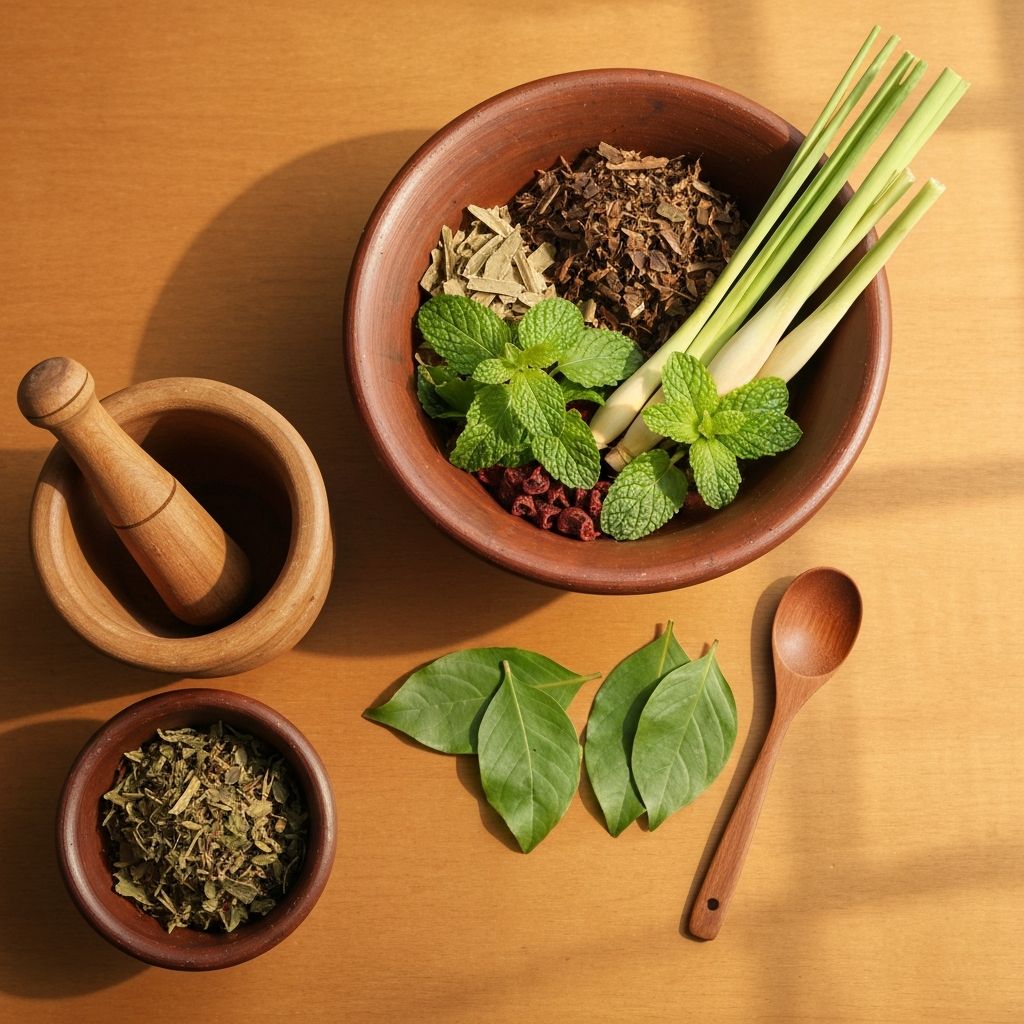
Indonesian families have integrated herbal beverages and plant-based tonics into daily routines for generations. These preparations—known as jamu in Indonesia—represent a rich ethnobotanical tradition deeply embedded in the cultural fabric of homes across Java, Bali, Sumatra, and Sulawesi.
The preparation of herbal drinks has been a household practice passed down through families, with each region developing its own variations and preferences. Traditional knowledge about which herbs to use, how to prepare them, and when to include them in meals reflects centuries of observation and experience.
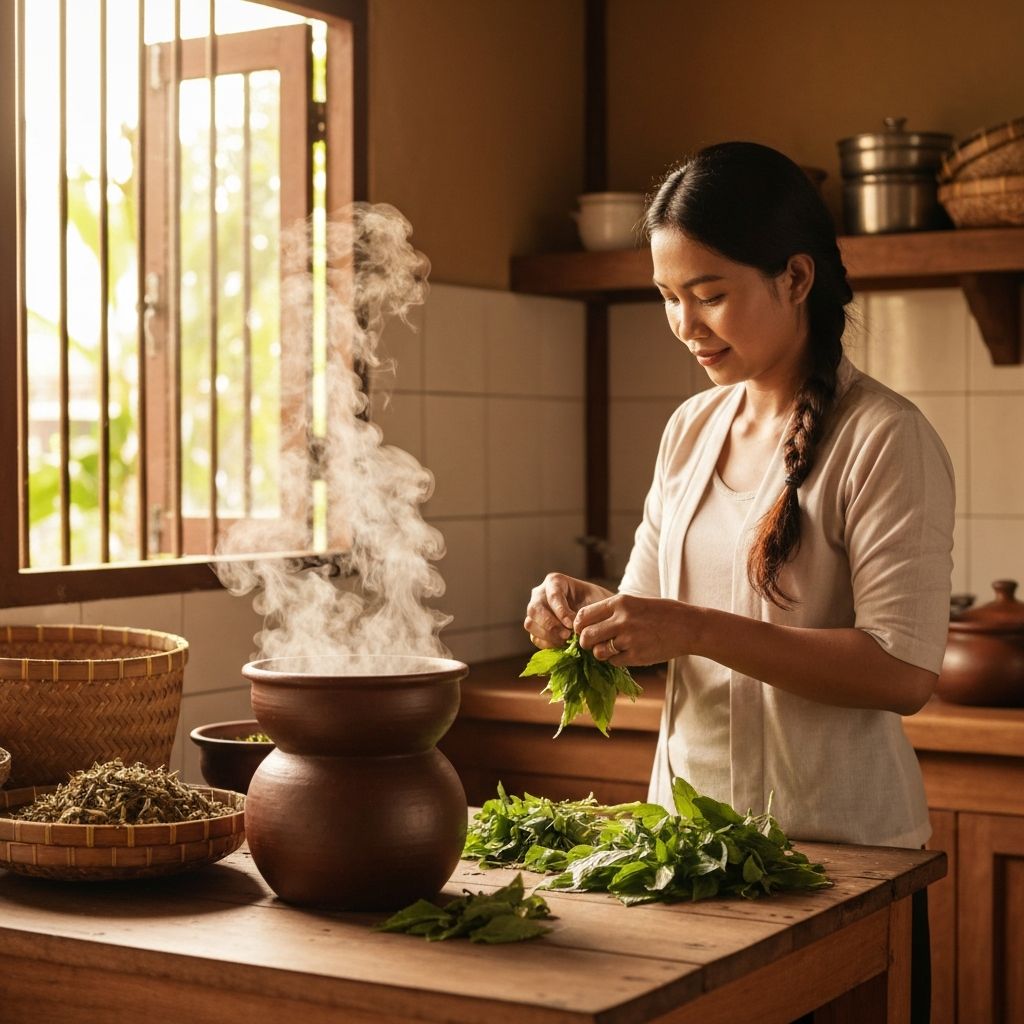
Rather than being commercial products, these herbal practices were domestic activities—women in Indonesian households would prepare wedang jahe (ginger drink), beras kencur variations, or simple herbal infusions as part of daily meal routines, without therapeutic intent or health claims.
Common Herbs and Their Natural Compounds
Overview of key plant ingredients and their phytochemical composition
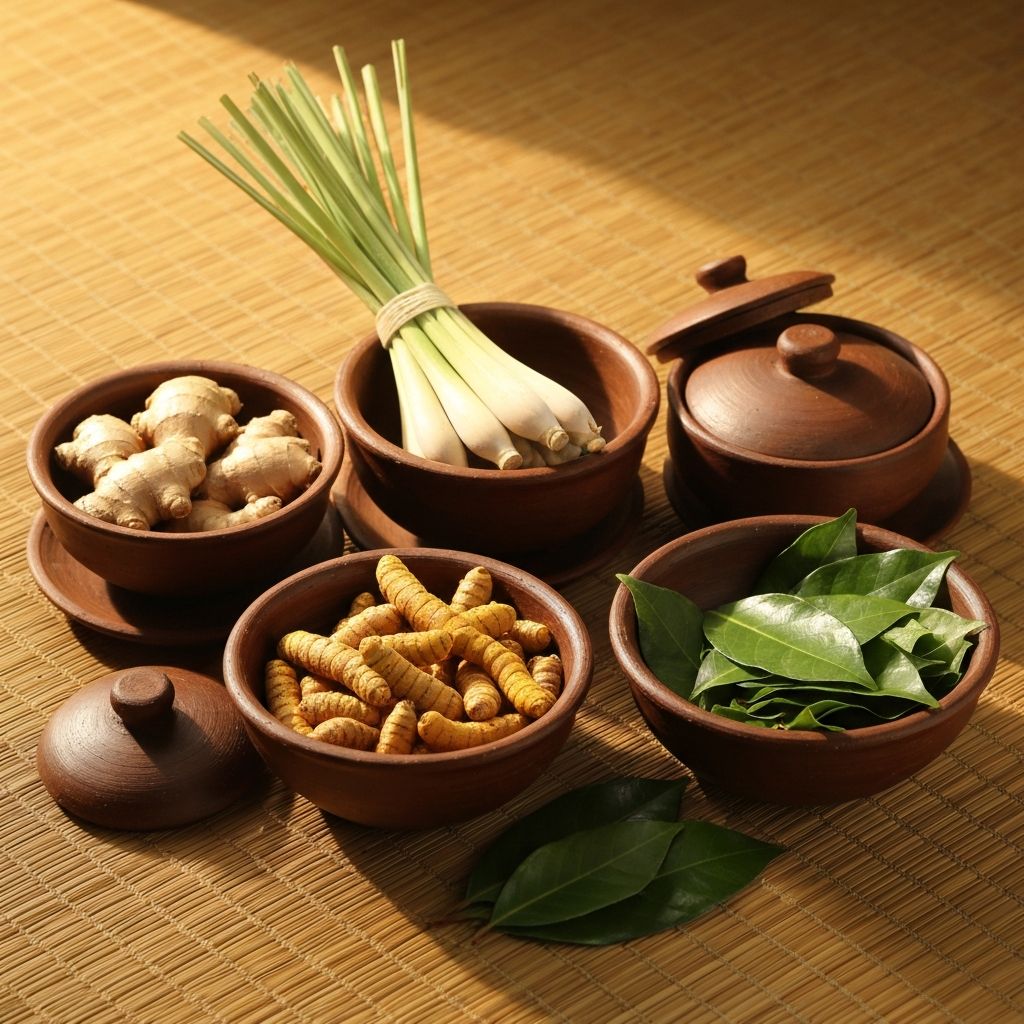
Indonesian herbal ingredients contain various naturally occurring phytochemicals. The following table presents common herbs, their traditional names, and the general classes of compounds typically found in these plants based on standard botanical references.
| Indonesian Name | Common Name | Natural Compounds | Botanical Notes |
|---|---|---|---|
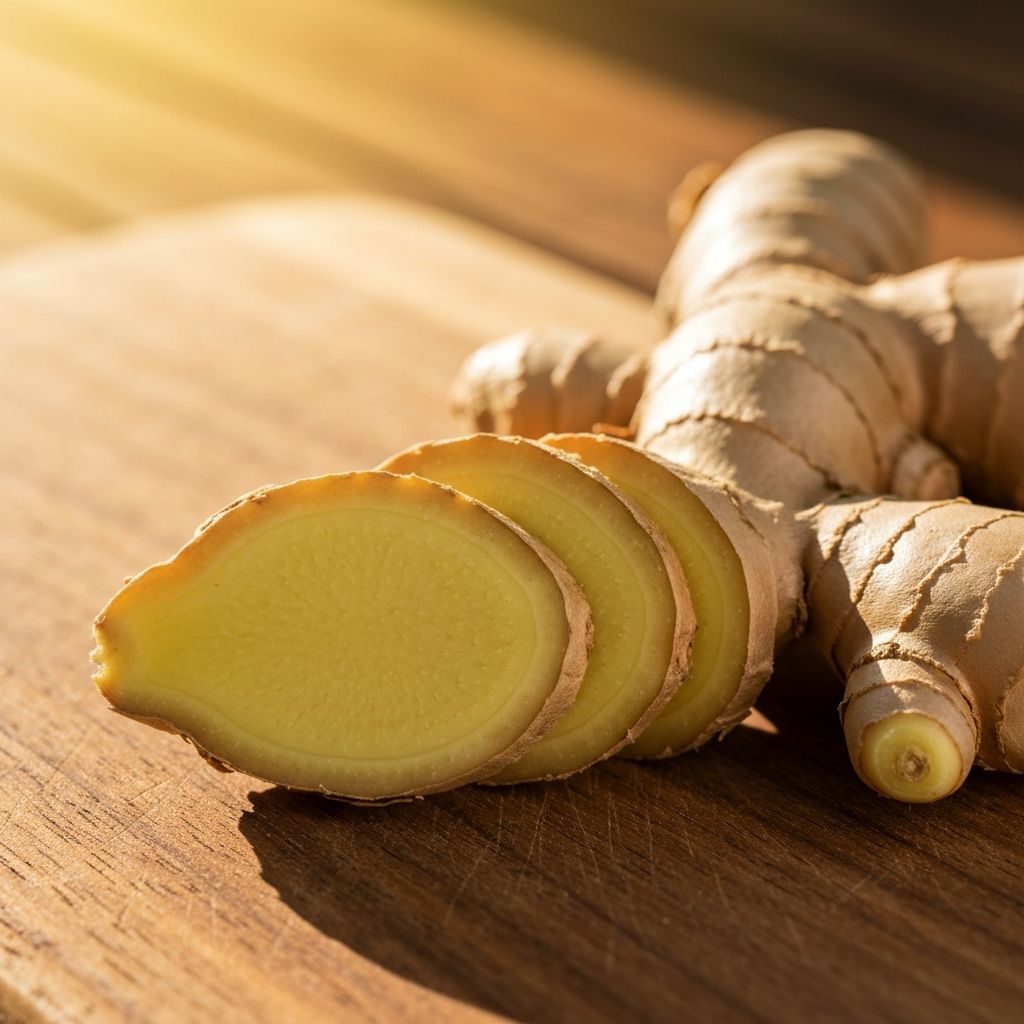
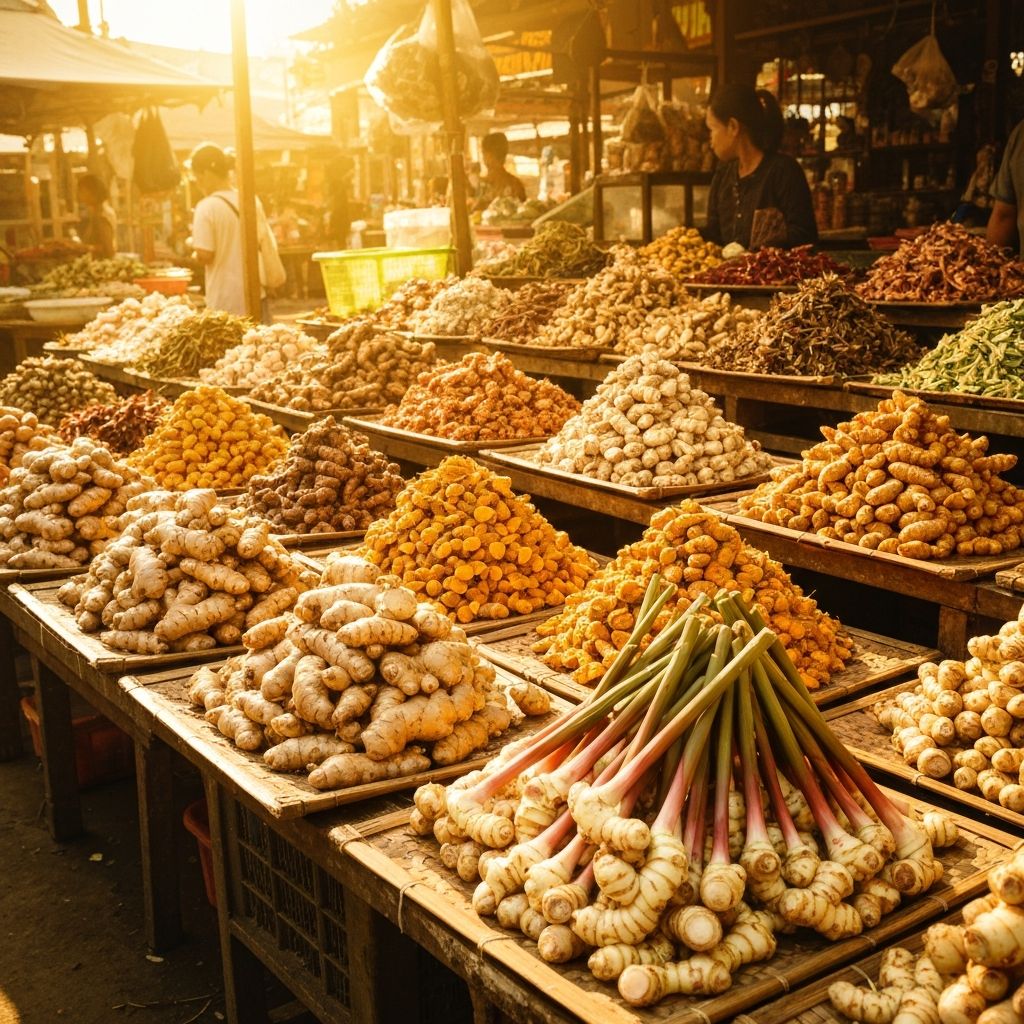
| Jahe | Ginger | Gingerols, shogaols, zingiberene, zingerone | Rhizome harvested year-round, warm pungent flavor, used fresh or dried |
| Kunyit | Turmeric | Curcuminoids, turmerone, ar-turmerone, zingiberene | Golden rhizome, bitter earthy taste, foundation of many traditional drinks |
| Temulawak | Javanese Turmeric | Curcuminoids, xanthorrhizol, germacrone, sesquiterpenes | Larger rhizome than kunyit, bitter taste, traditionally used in household tonics |
| Kencur | Galangal | Galangin, kaempferol, flavonoids, essential oils | Small pungent rhizome, aromatic, used in rice dishes and infusions |
| Pasak Bumi | Longjack | Quassinoids, alkaloids, triterpenoids | Root traditionally used in household preparations, bitter taste |
| Pegagan | Gotu Kola | Triterpenoids, flavonoids, polyphenols, asiaticoside | Delicate green leaves, mild slightly bitter taste, traditional herbal tea plant |
| Ginseng Jawa / Talinum | Java Ginseng | Saponins, glycosides, triterpenoids, polyphenols | Tuber vegetable, nutritious addition to household meals and broths |
| Kemangi | Holy Basil | Eugenol, linalool, flavonoids, tannins, essential oils | Aromatic green herb, used fresh in salads and herbal drinks |
| Serai | Lemongrass | Citral, myrcene, limonene, geranial, essential oils | Tall stalk herb, lemony aroma, added to household drinks and cooking |
| Daun Dewa | Peristrophe / Dewa Leaf | Flavonoids, polyphenols, terpenoids, phenolic compounds | Small green leaves, traditional herbal tea ingredient, mild taste |
Note: This table presents phytochemical composition based on standard botanical and ethnobotanical references. Individual rhizomes, leaves, and roots vary based on soil, climate, harvest time, and storage conditions.
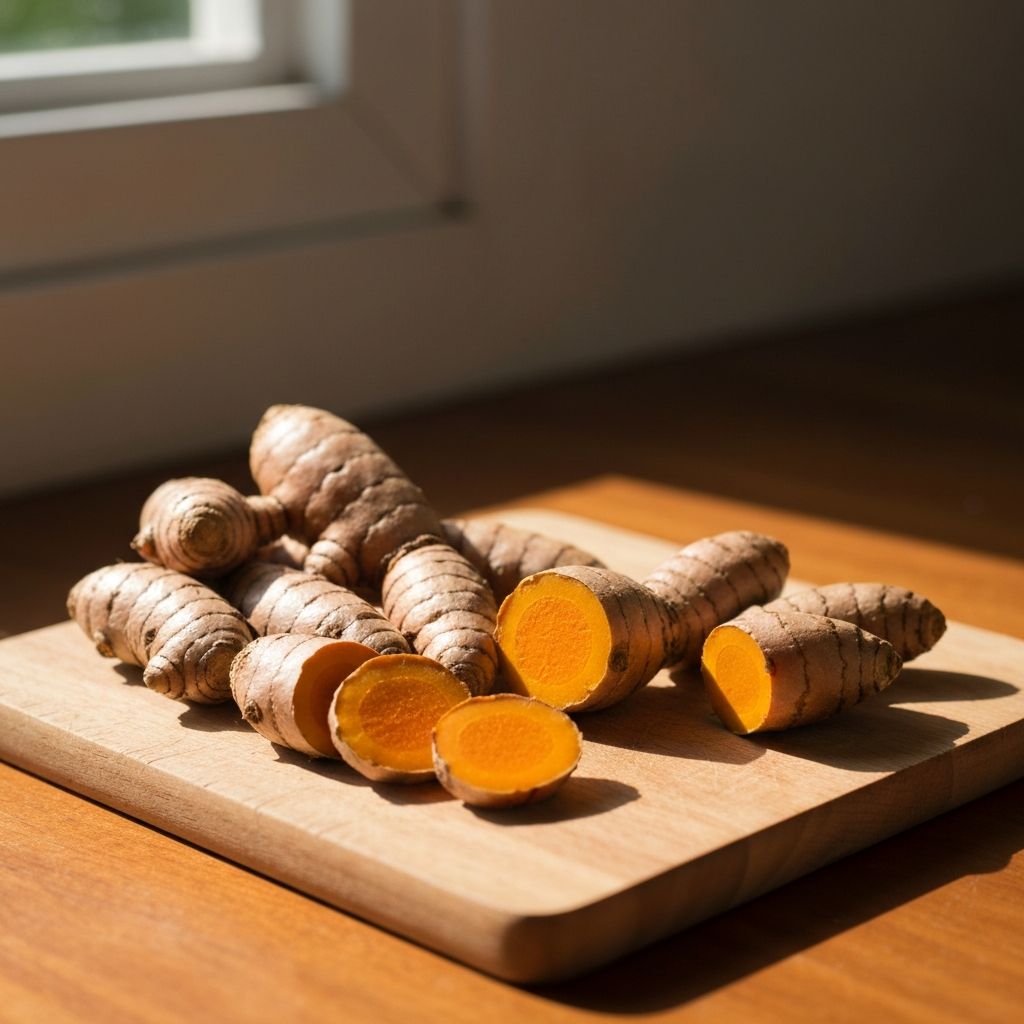
Herbal Ingredient Profiles
Traditional appearance, origin, and household preparation of classic Indonesian herbs
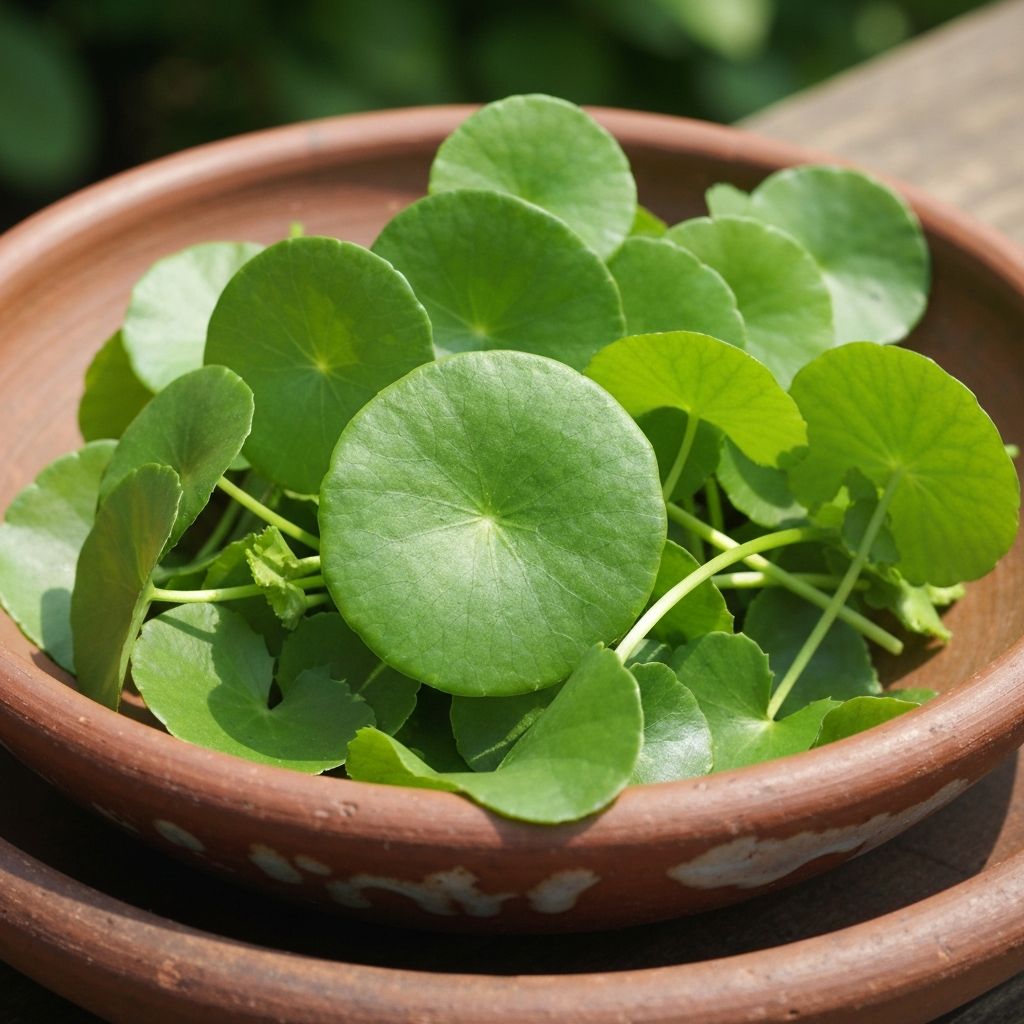
Pegagan (Gotu Kola)
Origin: Native to Southeast Asia, grows widely in Indonesia. Small, delicate green leaves with subtle venation. Fresh pegagan has a mild, slightly bitter herbaceous taste.
Appearance: Trailing plant with round fan-shaped leaves, traditionally gathered from gardens and wild areas.
Traditional Preparation: Leaves steeped fresh in hot water for simple herbal tea. Sometimes dried for storage. Included in traditional herbal drink recipes passed through families.
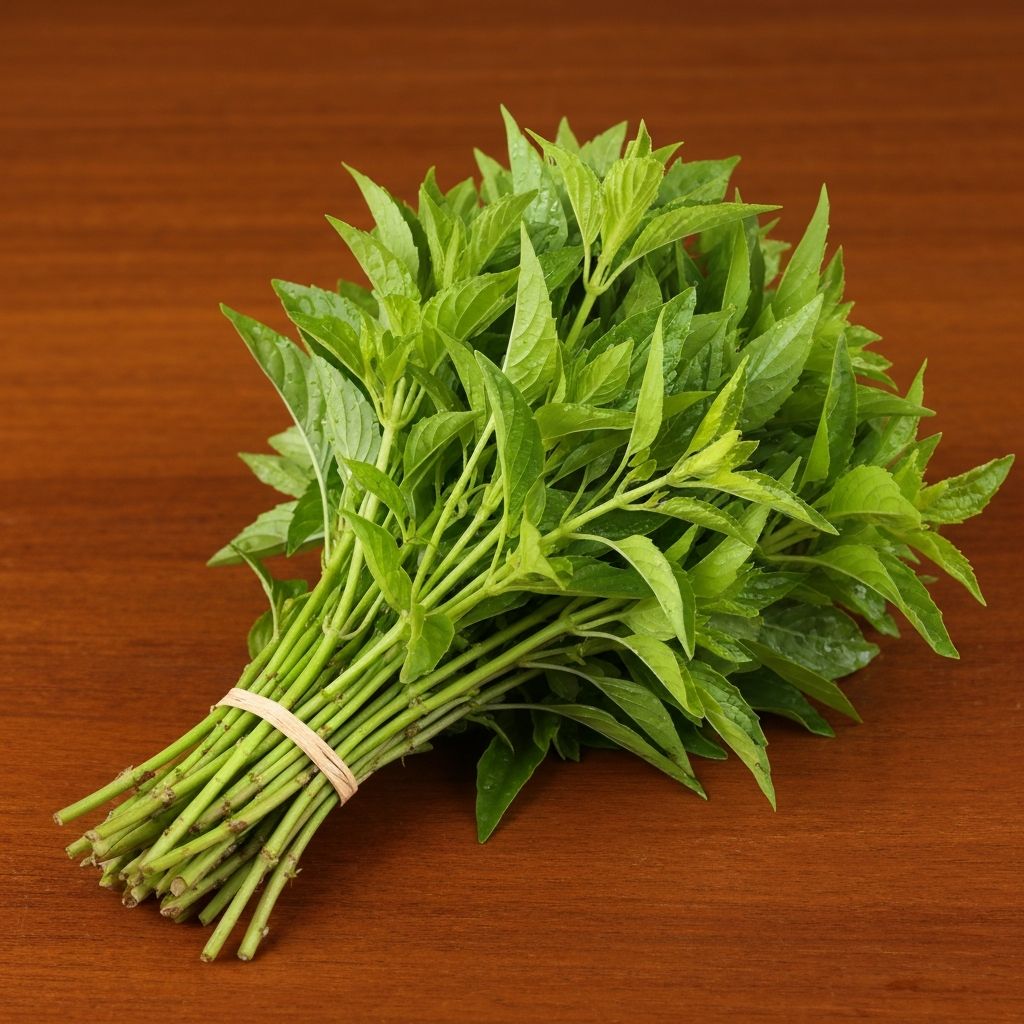
Kemangi (Holy Basil)
Origin: Widely cultivated in Indonesian home gardens. Aromatic green herb with distinctive clove-like fragrance from high essential oil content.
Appearance: Small bushy plant with oval green leaves, slightly fuzzy texture. Fresh sprigs are fragrant and vibrant green when in season.
Traditional Preparation: Used fresh in salads, added to herbal infusions, or steeped as a simple tea. Sometimes included in household spice preparations.
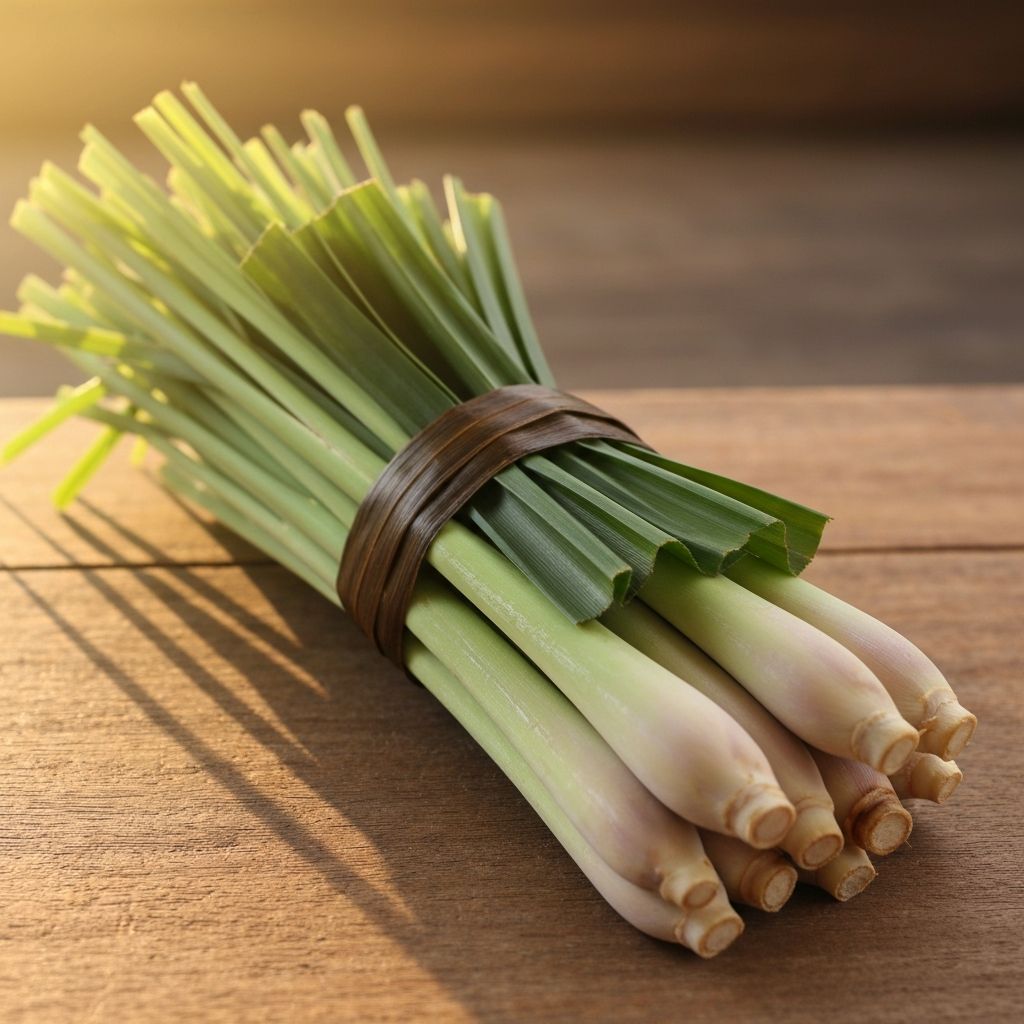
Serai (Lemongrass)
Origin: Tropical plant cultivated throughout Indonesia. Tall grass-like stalks with strong lemony aroma from citral and essential oil compounds.
Appearance: Long pale-green stalks with fibrous leaves, bundled together. Fresh lemongrass is more aromatic and flavorful than dried versions.
Traditional Preparation: Stalks bruised and added to hot water for aromatic herbal drink. Used in cooking for flavoring broths and rice dishes. Often tied with pandan leaf for traditional presentation.
Traditional Preparation Techniques at Home
Understanding how Indonesian families traditionally prepare herbal drinks and incorporate herbs into daily meals
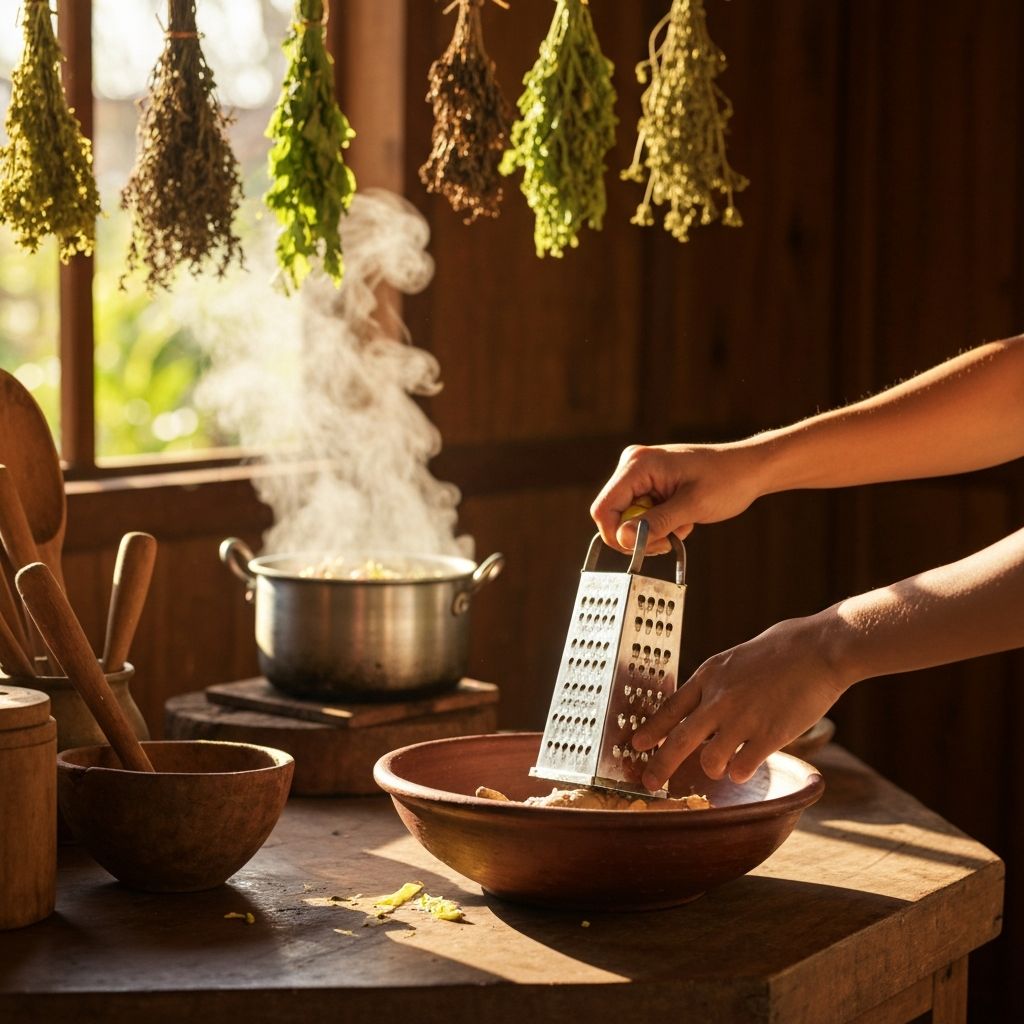
Household Preparation Methods
Infusion (Simplest Method): Fresh or dried leaves—such as pegagan or kemangi—placed in hot water and steeped for 5-15 minutes. Water becomes infused with the herb's natural compounds. Commonly used for leaf-based herbs that don't require cooking.
Decoction (For Rhizomes): Harder plant materials—ginger, turmeric, galangal—are sliced or bruised, then simmered in water for 15-30 minutes. This extraction method releases compounds more thoroughly from dense rhizomes. Wedang jahe (ginger drink) is prepared this way.
Addition to Daily Meals: Sliced or grated fresh ginger and turmeric added directly to cooking rice, soups, or broths. Lemongrass bruised and placed in simmering dishes. Kemangi leaves added fresh to finished dishes for aromatic flavor.
Traditional Variations: Different regions prepare distinct household beverages. Beras kencur combines rice flour with galangal and other spices. Jamu beras kuning blends turmeric and rice into a household drink. Each preparation reflects local preference and available ingredients by season.
Regional Variations in Herbal Use Across Indonesia
How geography and seasonal availability shape local herbal drink traditions
| Region | Climate & Availability | Traditional Herbs | Common Preparations |
|---|---|---|---|
| Java | High rainfall, fertile volcanic soil. Year-round herb cultivation in home gardens | Jahe, kunyit, temulawak, kencur, pegagan, kemangi | Wedang jahe, jamu gendong variations, herbal rice drinks (jamu beras kuning), simple infusions added to daily water |
| Bali | Tropical island climate, seasonal dry season. Rich cultural emphasis on plant-based preparations | Jahe, kunyit, serai, pasak bumi, pegagan, kemangi, daun dewa | Jamu traditional recipes, lemongrass-based drinks, infusions served at household gatherings, herbs added to satay spice pastes |
| Sumatra | High humidity, dense tropical vegetation. Diverse wild herb gathering traditions | Ginseng jawa (talinum), jahe, serai, kencur, pegagan, pasak bumi | Herbal root soups, lemongrass beverages, tuber-based household broths, wild herb tea preparations |
| Sulawesi | Tropical monsoon climate, distinct wet and dry seasons. Seasonal herb availability | Jahe, kunyit, serai, kemangi, ginseng jawa, pasak bumi | Seasonal herbal drinks prepared during specific times of year, fresh herb additions to daily rice and vegetable meals |
| Year-Round Preferences | Throughout Indonesia, certain herbs are available and used seasonally | Jahe and kunyit (available year-round), seasonal leafy herbs (pegagan, kemangi), seasonal wild roots | Warmer drinks in cooler months, fresh leafy infusions in warm seasons, regional preferences passed through family traditions |
Frequently Asked Questions
Common questions about traditional Indonesian herbs and their household use
What is jamu and how does it differ from other herbal drinks?
Jamu is a traditional Indonesian herbal preparation with roots in Javanese culture, incorporating herbs, roots, spices, and sometimes flowers or nuts. Unlike modern commercial herbal beverages marketed with health claims, traditional jamu was household-prepared from family recipes and regional knowledge. The term reflects a cultural practice rather than a standardized product category. Regional variations exist throughout Indonesia with distinct preparation methods and ingredient preferences.
How are these herbs traditionally prepared in Indonesian households?
Traditional preparation methods include infusion (steeping leaves in hot water), decoction (simmering harder rhizomes and roots), and direct addition to cooking. Fresh ginger is grated into hot water for simple drinks, turmeric and ginger are simmered together for longer extraction, and leafy herbs like pegagan are steeped for 5-15 minutes. These practices were household routines, integrated into daily meal preparation without commercial intent or therapeutic claims.
Are these herbs available year-round in Indonesia?
Some herbs like ginger and turmeric are available year-round in Indonesian markets and home gardens. Others, particularly fresh leafy herbs and regional wild herbs, have seasonal availability. Different islands experience varying rainfall and growing seasons, affecting what's available locally. Household gardens often feature multiple herbs with different seasonal growth patterns, reflecting regional climate and family preference.
What is the difference between fresh and dried herbs in traditional preparation?
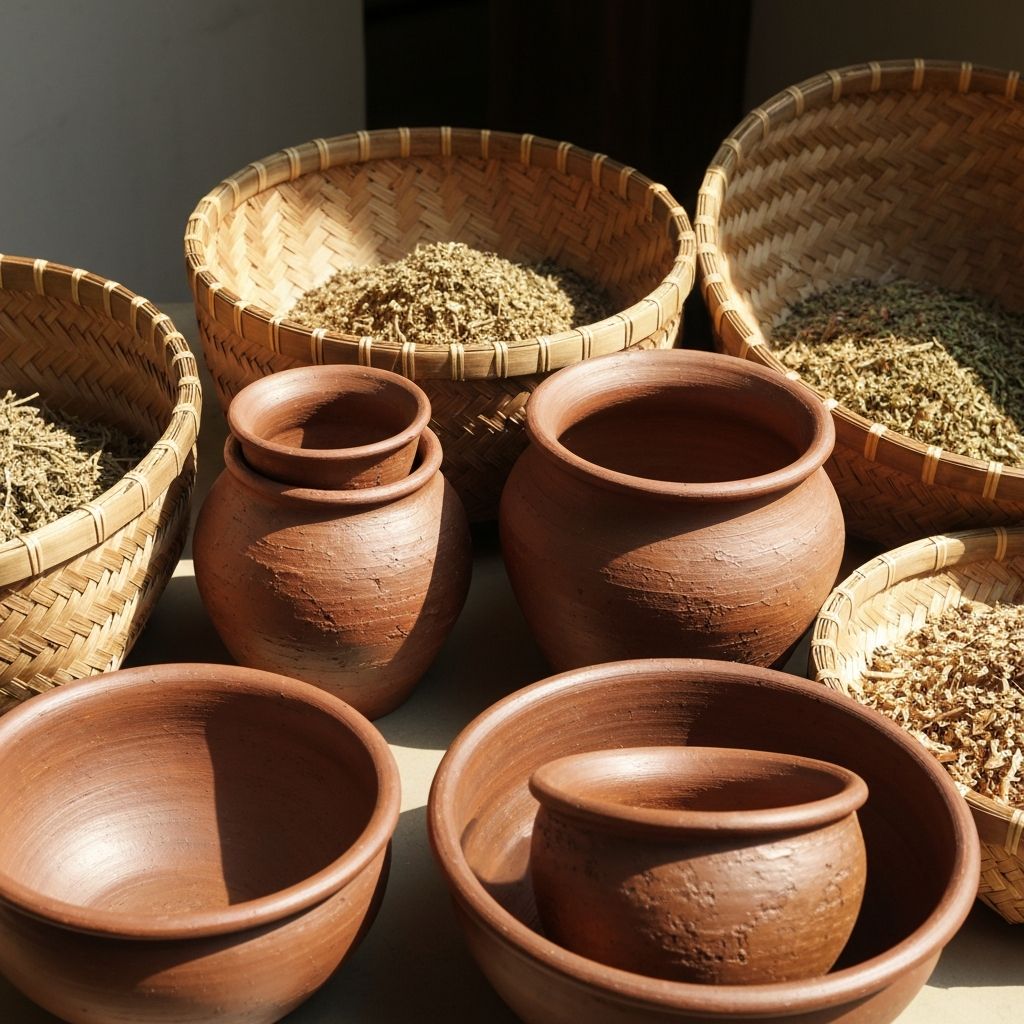
Fresh herbs are more aromatic and flavorful, with higher essential oil content. They're used immediately after harvesting for immediate infusions and daily cooking additions. Dried herbs are stored for year-round use, used when fresh isn't available, and sometimes preferred for longer decoctions. Household practice varied by region, family preference, and seasonal availability. Both have been integrated into Indonesian food culture for generations.
How do different regions of Indonesia prepare herbal drinks differently?
Java traditionally emphasizes ginger drinks (wedang jahe), beras kencur, and jamu gendong variations. Bali incorporates more lemongrass and regional herbs into household preparations. Sumatra emphasizes root-based soups and tuber drinks reflecting wild herb traditions. Sulawesi has distinct seasonal preparations aligned with monsoon patterns. Each region reflects local herb availability, climate conditions, and family knowledge passed through generations.
What are the natural compounds found in these Indonesian herbs?
Ginger contains gingerols and shogaols. Turmeric contains curcuminoids and turmerone. Galangal contains galangin and kaempferol. Lemongrass contains citral and limonene. Pegagan contains triterpenoids and flavonoids. Each plant contains multiple naturally occurring phytochemicals that contribute to its properties. Concentrations vary based on plant variety, growing conditions, harvest time, and storage methods.
How were these herbs integrated into daily meals beyond just beverages?
Fresh ginger and turmeric were grated or sliced and added to cooking rice, soups, and broths. Lemongrass was bruised and placed in simmering dishes for flavor. Kemangi (holy basil) leaves were added fresh to finished dishes. Pegagan leaves sometimes appeared in salads. These additions were routine household practices for flavor and aroma, not therapeutic or medicinal additions. They reflect how Indonesian families cooked and ate daily.
What is the ethnobotanical significance of these herbs in Indonesian culture?
These herbs represent centuries of accumulated household and agricultural knowledge. Their traditional use reflects cultural values around food, family routines, and plant-based living. Different names across islands indicate deep local relationships with plants and region-specific growing traditions. The practice of growing and preparing these herbs in family gardens reflects cultural continuity and adaptation to local environmental conditions across diverse Indonesian communities.
Can these traditional herbs be integrated into modern daily nutrition routines?
Yes, many people today incorporate these herbs into daily meals and beverages as part of their eating routines, similar to how Indonesian families have for generations. Adding fresh ginger to tea, including turmeric in cooking, or preparing simple herbal infusions can be part of daily nutrition practices. This continues traditional household approaches to incorporating plant-based ingredients into everyday eating rather than viewing them as special interventions.
Where does one typically source these traditional Indonesian herbs today?
Many traditional herbs are available at Asian markets, specialty spice shops, and increasingly at mainstream grocery stores. Some, like ginger and turmeric, are widely available year-round. Others may require specialty sourcing. Home gardening is still practiced in Indonesia and among diaspora communities for fresh pegagan, kemangi, and lemongrass. Dried versions of herbs are available online and in specialty shops for those unable to access fresh varieties.
What is the difference between traditional household use and commercial herbal products?
Traditional household use involves families preparing herbs they grew, gathered, or purchased, according to family recipes and preference. This was ordinary cooking and eating, without health claims or therapeutic intent. Commercial products are marketed with specific claims, standardized formulations, and health benefits. This site describes traditional household practice and educational context, not commercial products or health interventions. Understanding the distinction respects the cultural heritage of these herbs as food and cooking ingredients.
Everyday Integration into Indonesian Meals and Drinks
How these herbs appear naturally in regional eating patterns and daily routines
Traditional Culinary Integration
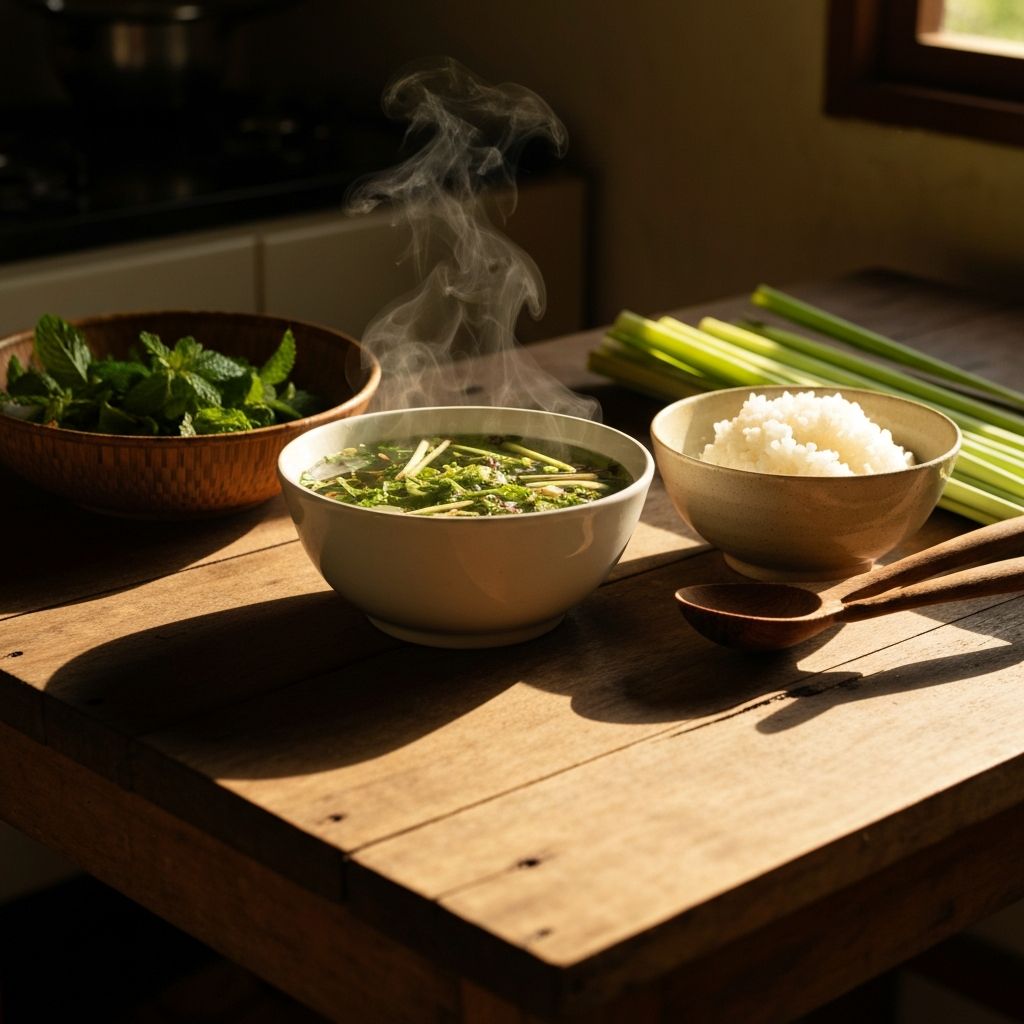
Morning Drinks: Wedang jahe (ginger drink) prepared in early morning before daily activities, consumed warm as a household beverage. Beras kencur made from rice flour mixed with galangal and spices. Simple herbal infusions prepared fresh as morning beverages, integrated naturally into family routines.
Meal Additions: Sliced ginger added directly to simmering rice during cooking. Turmeric mixed into ground spice pastes for satay and traditional dishes. Lemongrass stalks placed in soup pots during simmering. Kemangi leaves added fresh at meal's end for aroma and flavor. These were routine kitchen practices, not special preparations.
Regional Examples: Javanese families regularly include turmeric and ginger in daily cooking. Balinese meals often feature kemangi and serai as standard ingredients. Sumatran broths traditionally include roots and tubers. Sulawesian seasonal preparations align with monsoon herb availability. Each region reflects local growing conditions and family knowledge.
Everyday Seasonality: Warm herbal drinks in cooler months, fresh leafy herb infusions when herbs are abundant and fresh. Regional shifts in preparation based on what grows locally and when. This reflects how Indonesian families adapted their eating to seasonal plant availability, a natural part of traditional food culture.
Explore Traditional Indonesian Herbal Knowledge
This site presents educational and informational context about traditional Indonesian herbs, their cultural significance, historical household use, and botanical composition. These represent genuine aspects of Indonesian food culture and ethnobotanical knowledge.
Educational content only. No promises of outcomes.
Stay Informed